Paths through the archive
Curated issue-by-issue sequences. Some span decades; some focus on a single creator's tenure.
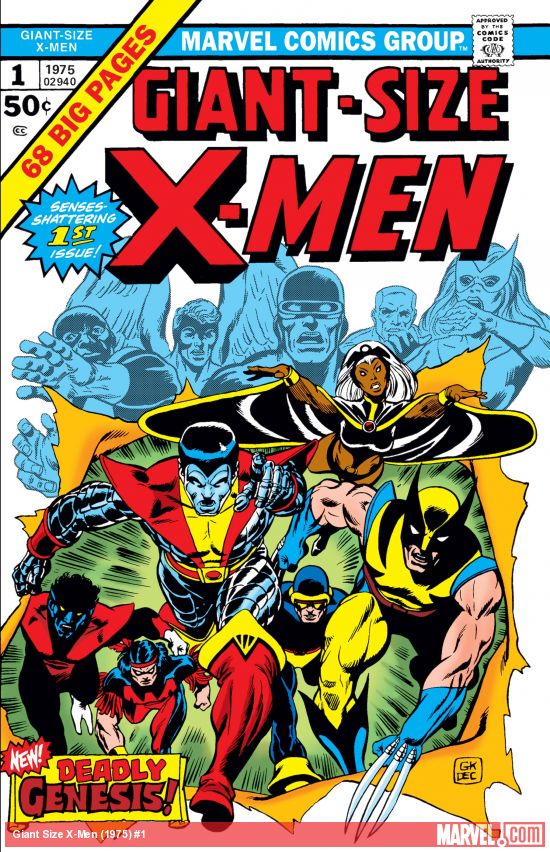
Chris Claremont's X-Men
Chris Claremont wrote X-Men for 16 consecutive years (1975-1991), building one of the greatest runs in comics history. He transformed a cancelled B-list title into Marvel's flagship franchise, creating the template for serialized superhero storytelling that every major comics writer since has followed. The Dark Phoenix Saga, Days of Future Past, God Loves Man Kills, the Brood Saga, Mutant Massacre, Fall of the Mutants, Inferno (all written by Claremont) represent the arc's defining stories. This reading order covers every issue in publication order, including tie-ins from New Mutants, X-Factor, Excalibur, Wolverine, and all crossover events.
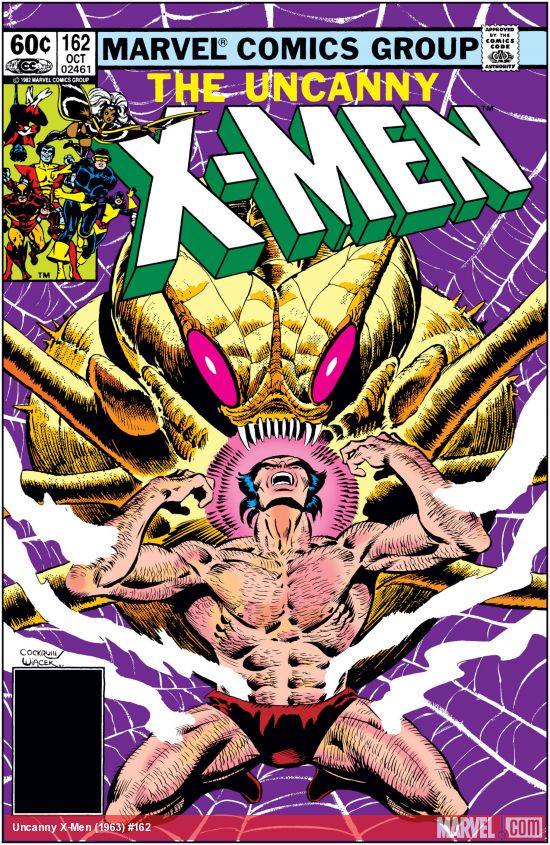
Essential Wolverine
Wolverine's journey from mysterious loner to the most popular character in comics. This reading order tracks Logan through his key solo stories and pivotal X-Men appearances, from the Brood saga that proved he could carry a story alone, through the Patch era in Madripoor, to the devastating loss of his adamantium and the identity crisis that followed. These are the stories that built the legend.
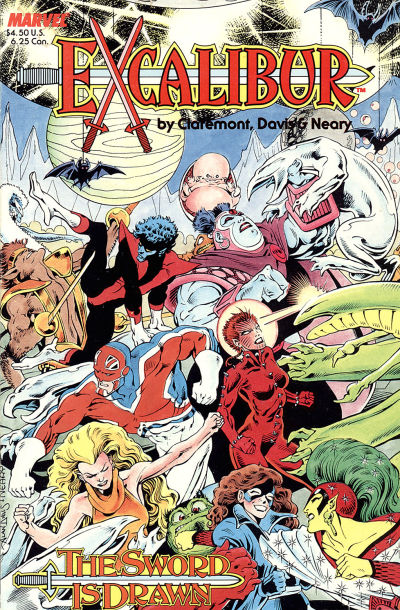
Excalibur by Claremont & Davis
Excalibur (1988-1993) was Chris Claremont and Alan Davis's British-flavored X-book, pairing injured X-Men (Nightcrawler, Kitty Pryde, and Rachel Summers) with Captain Britain and Meggan. Where the main X-titles grew grimmer, Excalibur leaned into surreal humor, dimensional hopping, and character warmth. Claremont launched the book and wrote the first 34 issues; Alan Davis returned as writer-artist for #42-67, delivering a beloved second act centered on the Necrom Saga, the RCX conspiracy, and a time-travel finale. The fill-in issues (#35-41) are skippable but included as optional.
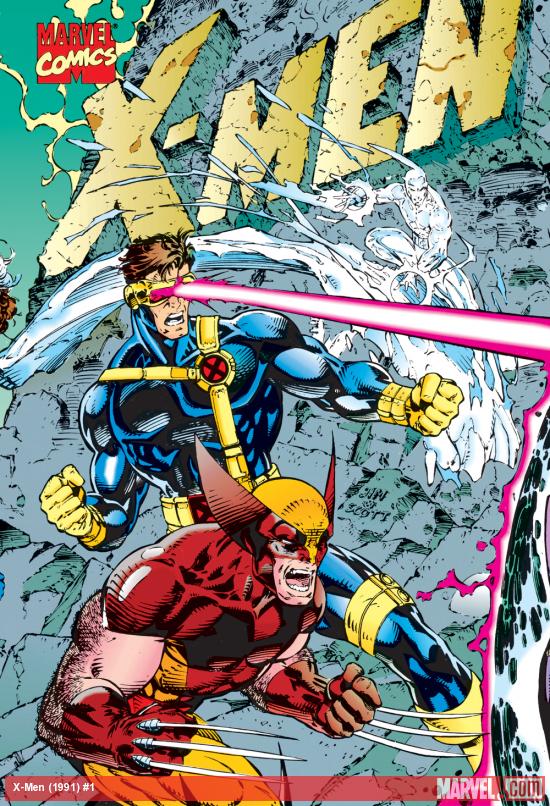
90s X-Men
The definitive, opinionated guide to the 1990s X-Men. This decade gave us record-shattering sales, hologram covers, pouches on everything, and some great comics buried under the excess. This reading order separates the essential from the skippable, interleaves the crossovers properly, and tells you when the quality drops so you can bail with no regrets. Peak era runs from X-Cutioner's Song through Age of Apocalypse. Everything after Onslaught is for completionists only, and we'll tell you that up front.
Peter David's X-Factor
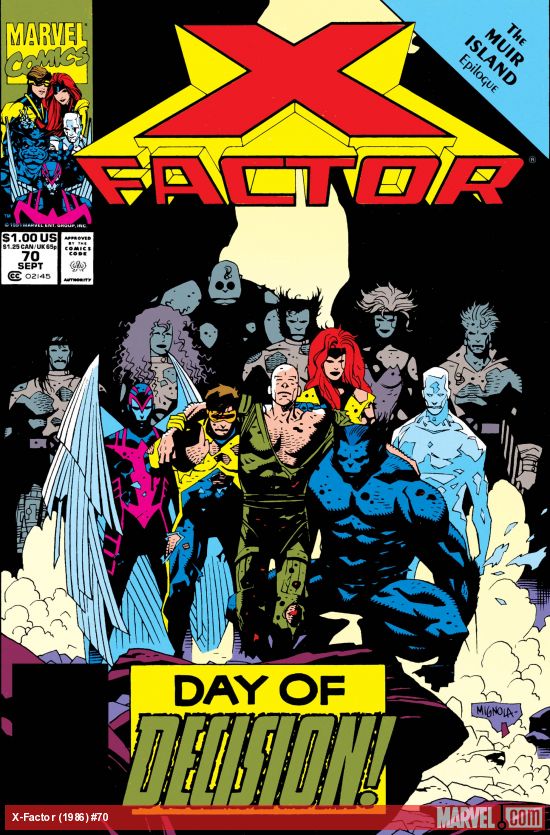
Peter David's first X-Factor run (1991-1993) reinvented the team as a government-sponsored mutant squad. After the original X-Factor members rejoined the X-Men, Havok, Polaris, Multiple Man, Strong Guy, Wolfsbane, and Quicksilver were assigned to Val Cooper's program. David brought his trademark character-driven humor to the title, culminating in the legendary issue #87 (an entire comic devoted to a therapy session that remains one of the most acclaimed single issues in X-Men history). The run also ties into X-Cutioner's Song and the Genoshan political storylines.
2000s X-Men
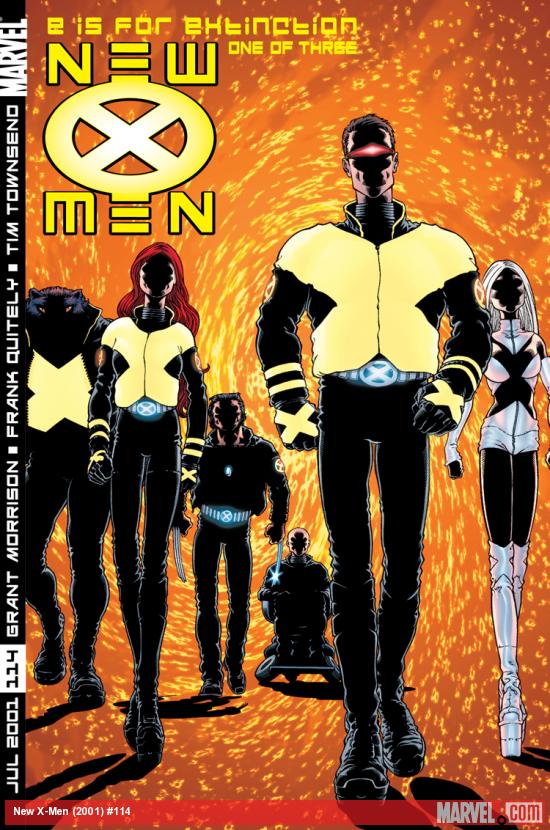
The definitive reading order for the 2000s X-Men, from Grant Morrison's revolutionary New X-Men through the Avengers vs. X-Men finale. This decade saw the franchise torn apart and rebuilt three times over: Morrison blew up the premise, House of M nearly extinguished the species, and the Messiah Trilogy gave the X-Men their most sustained narrative arc since the Claremont era. Includes essential side reading from Remender's Uncanny X-Force, Peter David's X-Factor, and Mike Carey's criminally underrated Legacy run.
Grant Morrison's New X-Men
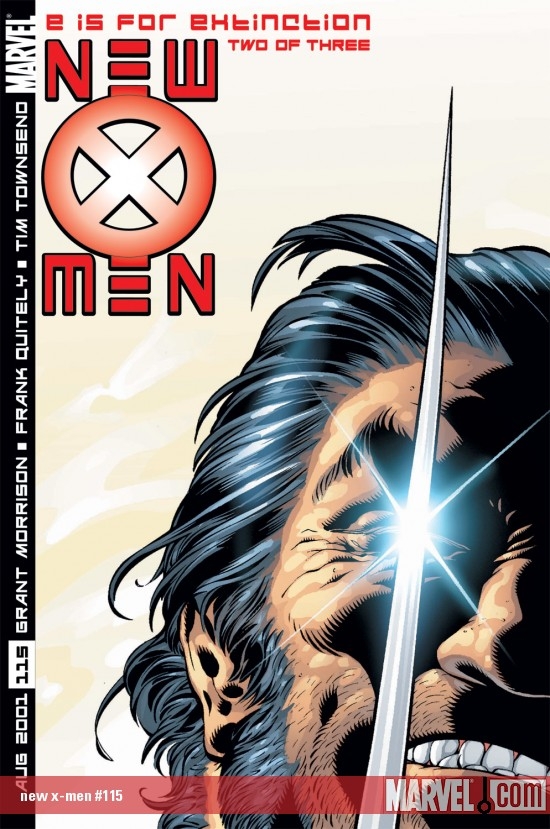
Grant Morrison's three-year run on New X-Men (2001-2004) dragged the X-Men into the 21st century with a ruthless reinvention. Morrison stripped away the superhero costumes, introduced the concept of mutant culture, killed sixteen million mutants in the first issue, and systematically deconstructed everything fans thought they knew about the franchise. The run introduced Cassandra Nova, Xorn, the Stepford Cuckoos, and Fantomex, while redefining the Xavier-Magneto-Jean-Scott-Emma dynamic in ways that still echo through every X-Men story published since.
Joss Whedon's Astonishing X-Men
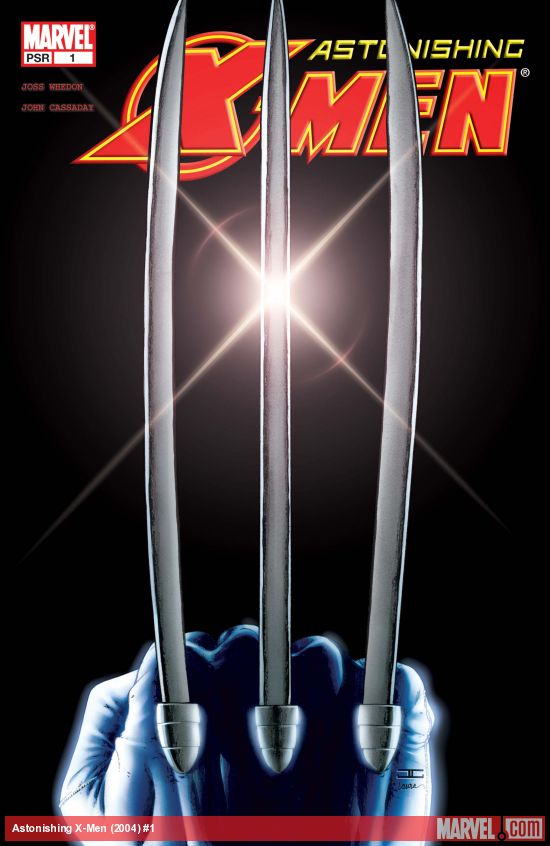
Joss Whedon and John Cassaday's Astonishing X-Men (2004-2008) is widely regarded as the best X-Men run of the 2000s. Following Grant Morrison's radical deconstruction, Whedon rebuilt the X-Men as superheroes (putting them back in costumes, giving them a mission, and crafting four tightly plotted arcs) with a Buffy-caliber mix of action, humor, and heartbreak. The run is best known for Kitty Pryde's return to prominence, the introduction of the mutant cure, Colossus's resurrection, and one of the most devastating endings in X-Men history.
Mike Carey's X-Men
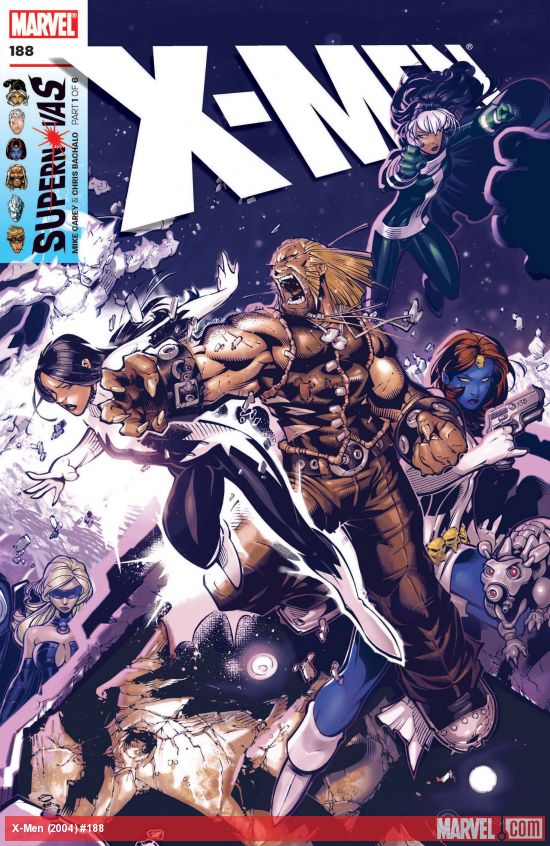
Mike Carey's X-Men run (2006-2012) is one of the longest and most underrated in franchise history. Starting on X-Men #188 and continuing through the title's renaming to X-Men: Legacy, Carey wrote 73 issues anchored by Rogue's journey from broken powerhouse to self-possessed hero. The run spans two eras (the pre-Decimation team book and the post-Messiah CompleX solo character study), with Carey threading Xavier's legacy, the Summers family, and the nature of mutation through both. His Professor X arc in Legacy #208-225 is the definitive examination of Xavier's failures.
Rick Remender's Uncanny X-Force
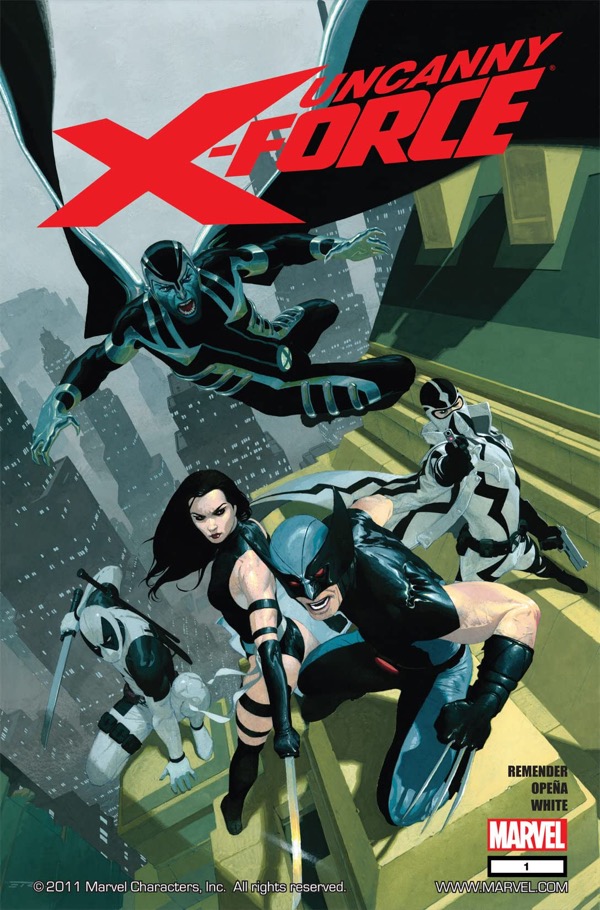
Rick Remender's Uncanny X-Force (2010-2012) is a 35-issue masterpiece about a black-ops X-Men kill squad (Wolverine, Psylocke, Archangel, Fantomex, and Deadpool) who execute threats too dangerous for the X-Men to handle publicly. The run opens with the team deciding to assassinate a child reincarnation of Apocalypse and never lets go of that moral weight. Remender builds to the Dark Angel Saga, widely considered one of the greatest X-Men stories of the 21st century, then carries the consequences through a devastating final act. The entire run is a meditation on violence, moral compromise, and whether heroes can do terrible things and remain heroic.
X-Men 2012-2019: The Wilderness Years
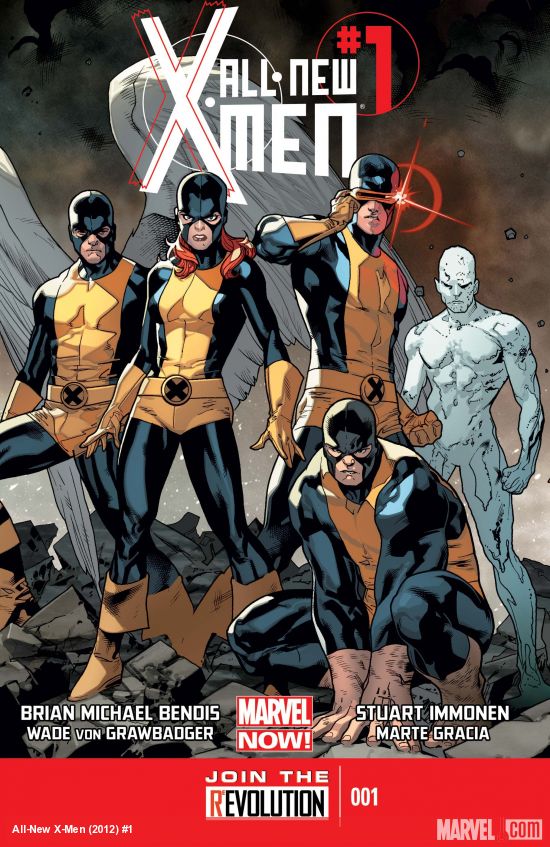
The weakest sustained stretch of X-Men comics since the franchise began. Editorial suppression (Marvel wanted to promote the Inhumans), the Terrigen crisis, and creative wheel-spinning made this era a challenge for even the most devoted readers. But there are genuine highlights scattered throughout, and this opinionated guide cuts through the noise to find them. Tier 1 ESSENTIAL: All-New Wolverine (Taylor), X-Men Legacy (Spurrier), X-Men Red (Taylor). These three runs justify the entire era. Tier 2 RECOMMENDED: Magneto (Bunn), Death of Wolverine, Phoenix Resurrection. Tier 3 OPTIONAL: Bendis early era, Mr. and Mrs. X, Rogue & Gambit, Extermination. Tier 4 SKIP: Extraordinary X-Men, X-Men Gold, X-Men Blue, all Terrigen-era flagships, Bendis late era, Inhumans vs. X-Men. The honest advice: read the hidden gems, skip the flagships, and know that it is perfectly fine to jump from Avengers vs. X-Men straight to House of X. Hickman designed it as a clean fresh start for exactly this reason.
The Krakoa Era
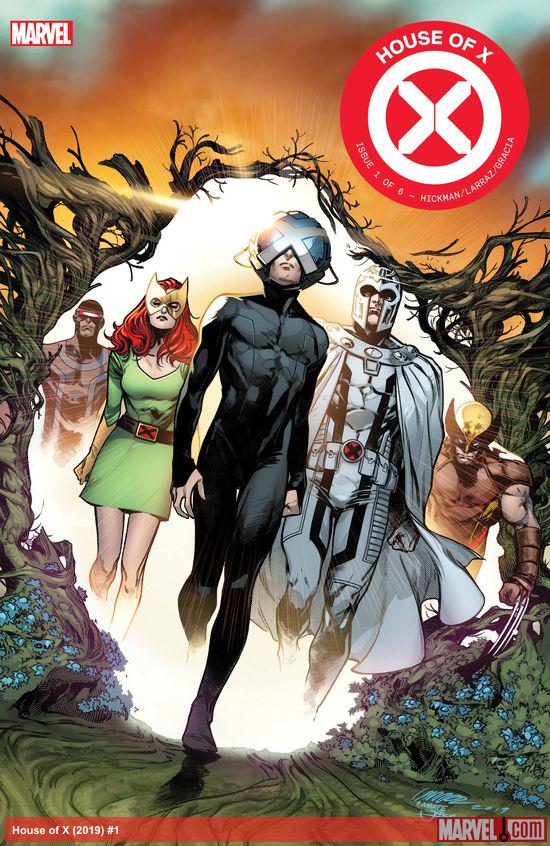
The Krakoan era (2019-2024) is the most ambitious reinvention of the X-Men since their 1975 rebirth. Jonathan Hickman transformed a superhero franchise into a geopolitical thriller about a mutant nation-state, then handed it off to a stable of writers who ranged from transcendent (Gillen, Ewing, Wells) to competent (Duggan, Percy) to regrettable (Bryan Hill). This is the complete guide -- every series, every event, every tie-in -- with honest assessments of what to prioritize, what to skim, and what to skip. The essential path is roughly 80 issues. The completionist path is over 200. Both are mapped here.